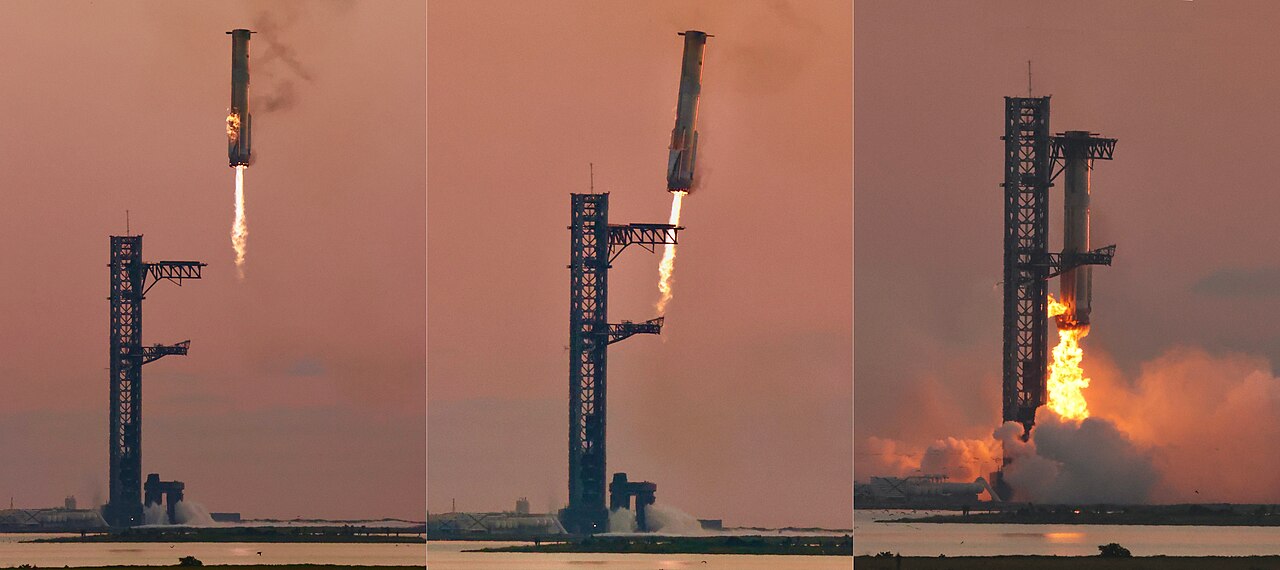
SpaceX catches a Starship booster with the launch tower
On Starship's fifth flight, the Super Heavy booster returned to the pad and was caught by the tower's arms.
Company
Space Exploration Technologies Corp. builds the Falcon rockets, the Dragon spacecraft and the Starship system, and operates the Starlink satellite network. Its stated long-term goal is to make humanity multiplanetary.
Official site: www.spacex.com
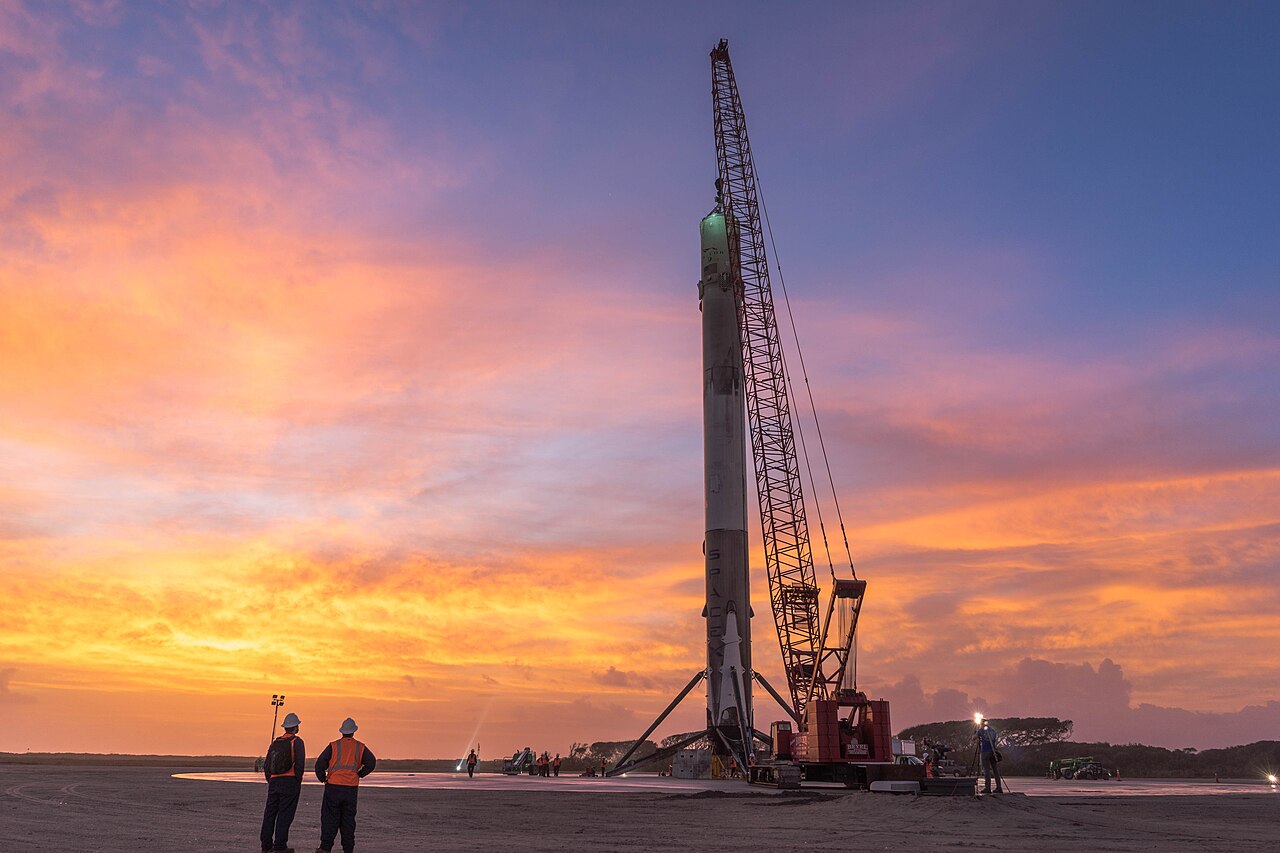
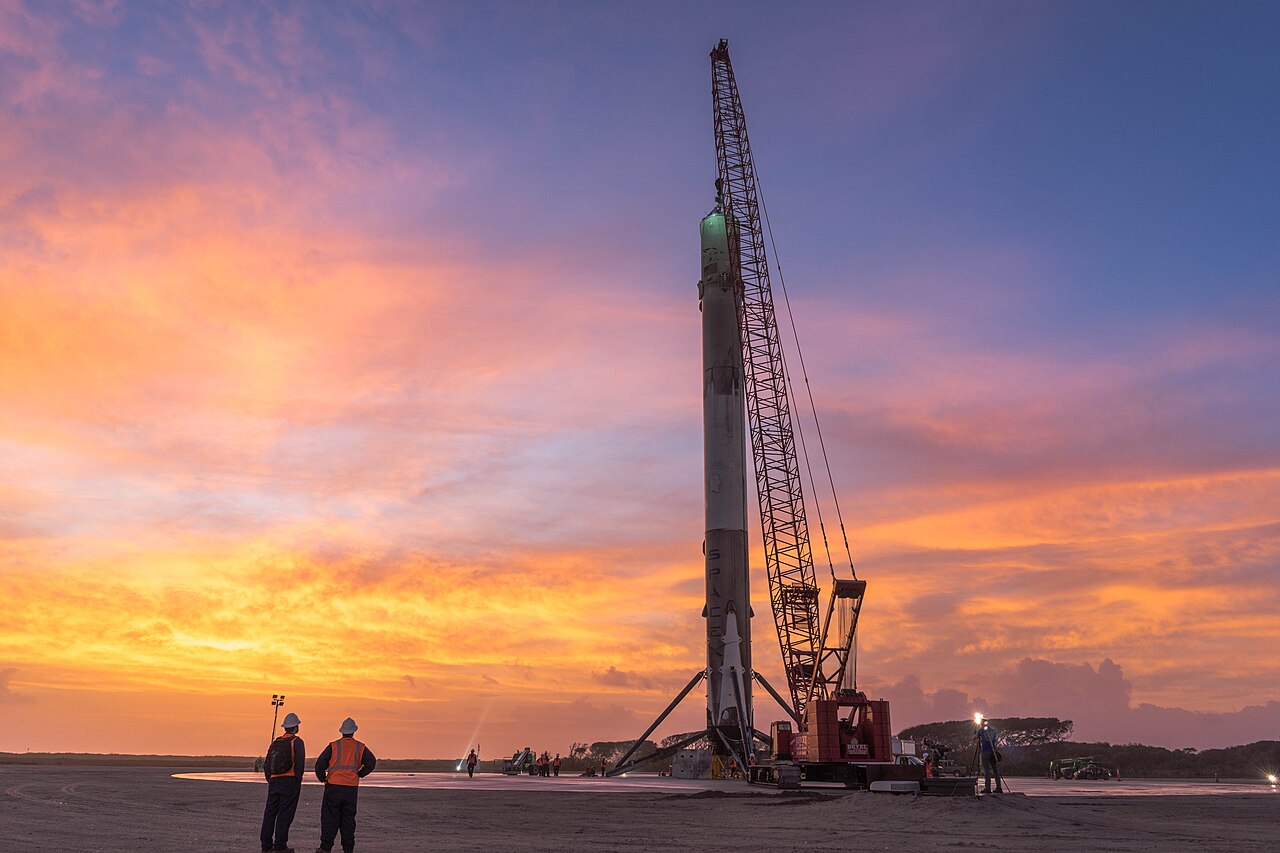
SpaceX's central idea is reuse. Instead of throwing rockets away after one flight, it lands boosters and flies them again, which it first achieved with Falcon 9 in 2015 and 2017. Reuse has made Falcon 9 the world's most frequently flown orbital rocket.
Its customers include NASA, the US military, and commercial satellite operators. It also runs its own Starlink business, which launches satellites on its own rockets, and is developing Starship, a fully reusable system meant for the Moon and Mars.
On Starship's fifth flight, the Super Heavy booster returned to the pad and was caught by the tower's arms.
Both the Super Heavy booster and the Starship upper stage made it back to the water intact.
The largest rocket ever built lifted off from Texas, but the vehicle was lost about four minutes into flight.
Four people with no professional astronaut training flew a three-day mission on Crew Dragon.
Demo-2 was the first crewed orbital launch from the United States since the Space Shuttle retired in 2011.
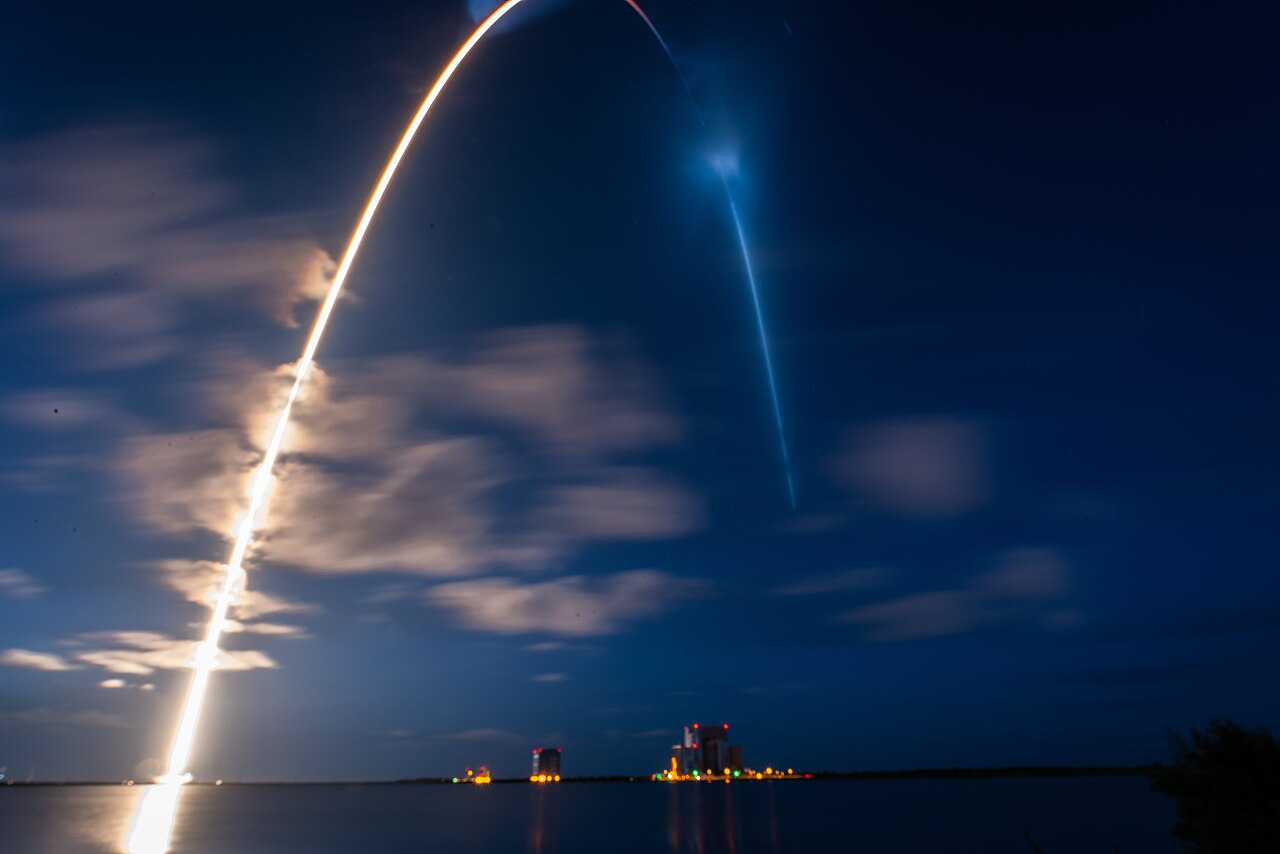
Sixty satellites went up on one Falcon 9, the start of what grew into the largest satellite network in orbit.
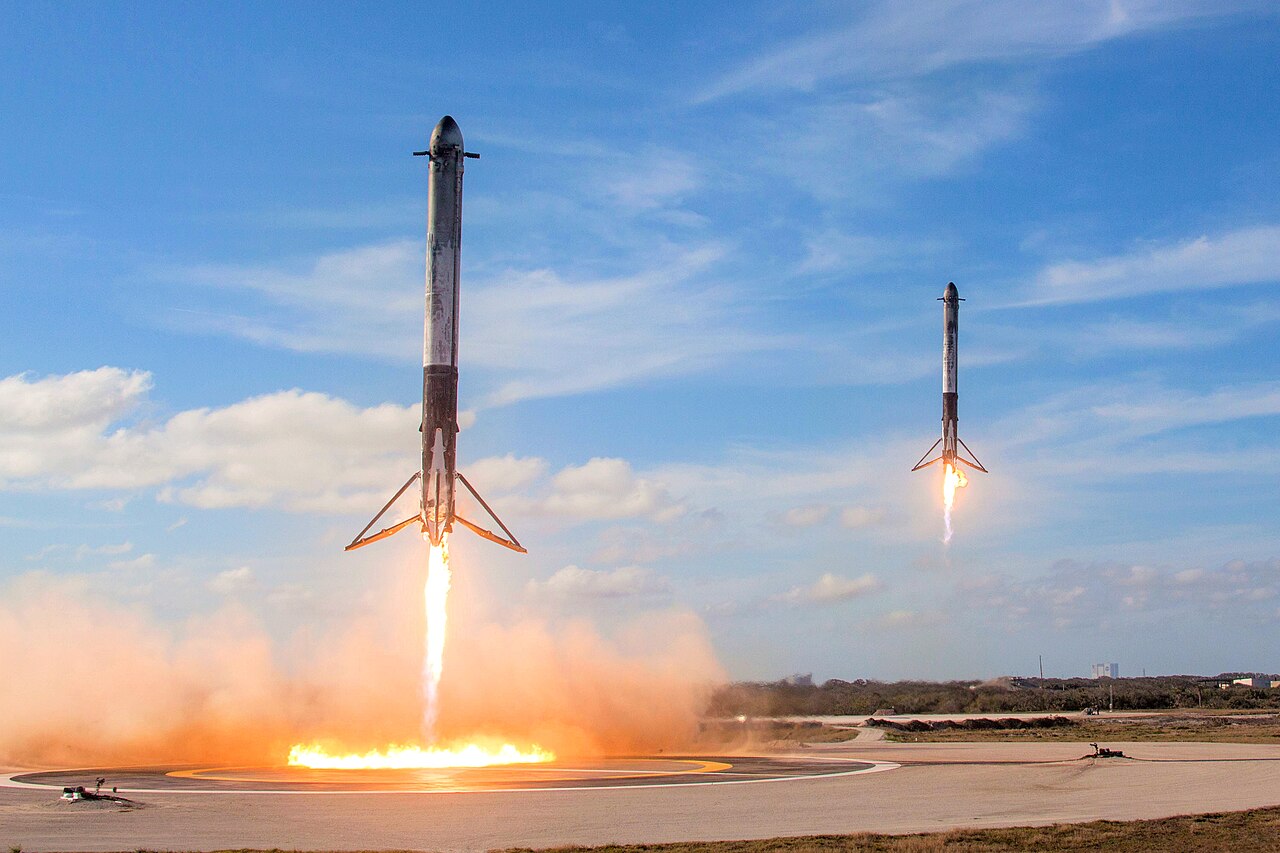
SpaceX's most powerful rocket flew for the first time, and two of its boosters landed side by side.
A booster that had already flown to orbit and landed was launched again, a milestone for reusable rockets.
At a conference in Mexico, Musk laid out the rocket and spaceship he said would carry people to Mars.
SpaceX landed the first stage of an orbital-class rocket back at Cape Canaveral, proving the core idea of reusable rockets.
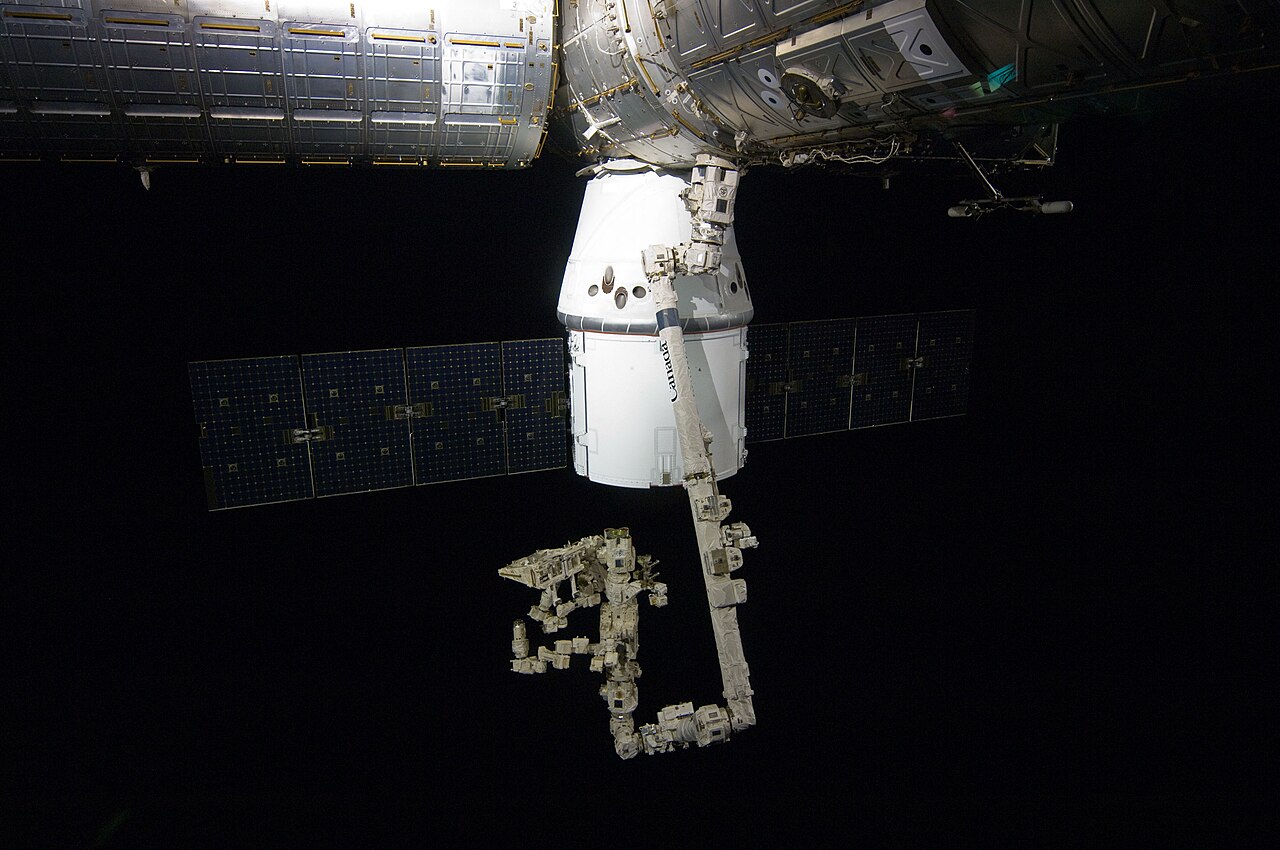
SpaceX's Dragon capsule berthed with the International Space Station, a first for a private company.
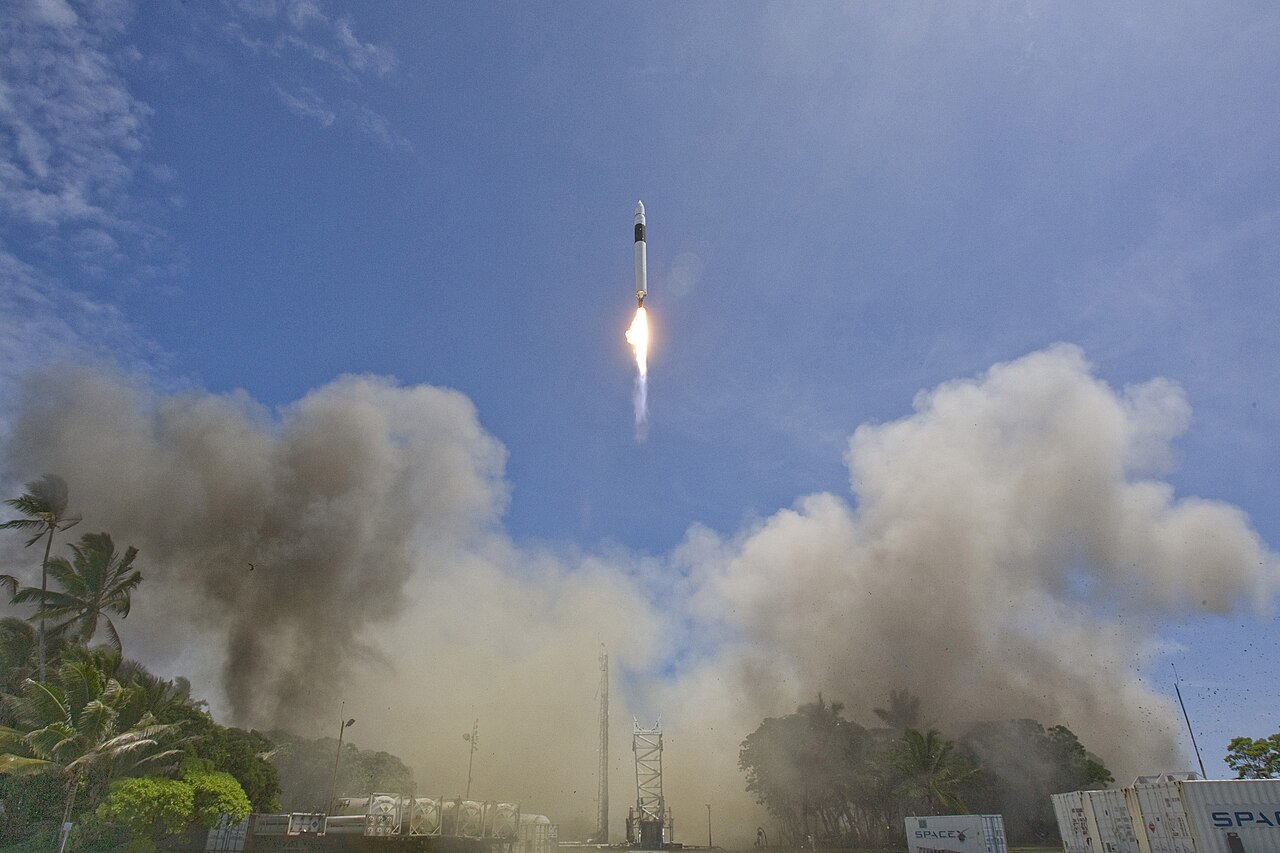
After three failures, the fourth Falcon 1 launch reached orbit, a turning point for the young company.
Elon Musk used part of his PayPal proceeds to start a rocket company aiming to cut the cost of reaching space.